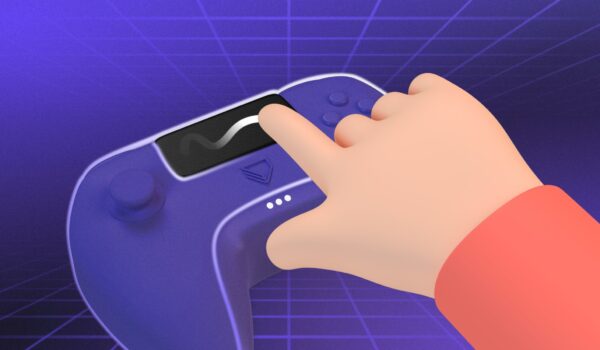
User experience (UX) and accessibility are two sides of the same coin when it comes to video games. While UX focuses on creating enjoyable and intuitive experiences for all players, accessibility ensures that games are playable by people with disabilities.
How UX and Accessibility Intersect
At their core, both UX and accessibility aim to create positive experiences. Good UX design considers the needs of the user and provides intuitive interfaces, clear instructions, and engaging game-play. Accessibility takes this a step further by ensuring that these experiences are available to everyone, regardless of their abilities.
For example, a game with well-designed controls and clear visual cues is not only good UX but also accessible to players with motor impairments. Similarly, subtitles and audio descriptions enhance the experience for players who are deaf or hard of hearing, improving both accessibility and overall enjoyment.
The Accessibility Gap in Video Games
While the gaming industry has made strides in accessibility, many games still lack features that would significantly improve the experience for players with disabilities. Some common accessibility issues include:
- Visual Impairments: Lack of sufficient color contrast, small font sizes, and absence of text-to-speech options.
- Hearing Impairments: Inadequate or missing subtitles, lack of audio cues, and absence of vibration feedback.
- Motor Impairments: Limited controller customization, difficulty remapping buttons, and lack of support for alternative input devices.
- Cognitive Impairments: Complex control schemes, overwhelming menus, and lack of difficulty options.
Why Accessibility Matters
Accessibility is not just a moral imperative; it’s good business. By making games more accessible, developers can reach a wider audience and create a more inclusive gaming community. Additionally, accessible games can provide significant benefits to players with disabilities, including:
- Social Inclusion: Games can be a powerful tool for social interaction and connection.
- Cognitive Benefits: Games can improve problem-solving skills, memory, and attention span.
- Emotional Well-being: Games can provide a sense of accomplishment, relaxation, and escape.
Moving Forward
To create truly inclusive gaming experiences, developers need to prioritize accessibility from the beginning of the development process. This includes:
- Consulting with Accessibility Experts: Involving disability advocates and accessibility specialists in the design process.
- Using Accessibility Guidelines: Following established guidelines like the Web Content Accessibility Guidelines (WCAG) and the Game Accessibility Guidelines (GAG).
- Testing with Diverse Players: Conducting play testing sessions with players with disabilities to identify and address accessibility barriers.
- Providing Customization Options: Allowing players to adjust settings like difficulty, control schemes, and visual cues.
By embracing accessibility as a core principle of game design, developers can create games that everyone enjoys, regardless of their abilities. This would also open the doors to gaming for many people around the world, helping to inspire the future generation to do things that may seem hard to reach and do in their lives. And lastly, create new types of jobs for people who live in countries that may not have all the resources that we have in the United States.
Sources
https://accessiblyapp.com/blog/video-game-accessibility/
https://sonyinteractive.com/en/news/blog/accessibility-making-gaming-better-for-everyone
https://www.testdevlab.com/blog/accessibility-testing-in-video-games
https://www.frontiersin.org/journals/psychiatry/articles/10.3389/fpsyt.2023.1257685/full